Roofing
Roof Rafters Arizona: 6 Hidden Problems That Can Weaken Your Roof
Your roof is only as strong as the structure supporting it. While shingles, flashing, and underlayment receive most of the attention, the roof rafters are the backbone of the entire roofing system. Every roofing material rests on these structural members, making them one of the most important components of any home. When roof rafters become damaged, the stability of the roof can be compromised, leading to expensive repairs and potential safety concerns.
For homeowners, understanding the condition of roof rafters Arizona is especially important. Arizona’s climate exposes roofs to extreme heat, powerful UV rays, seasonal monsoon storms, and sudden temperature changes. Over time, these conditions place continuous stress on the roof structure. If moisture enters the attic or ventilation is inadequate, the rafters can begin to weaken long before visible damage appears on the outside of the roof.
Many structural roofing problems start quietly. A small roof leak, trapped moisture, termite activity, or excessive roof loads may slowly affect the rafters without any obvious warning signs. Because the damage develops inside the attic, homeowners often discover the problem only after noticing sagging rooflines, cracked ceilings, or costly structural repairs.
Knowing how roof rafters Arizona function and recognizing the early signs of damage can help protect your investment. Routine roof inspections and preventive maintenance can identify structural issues before they become major roofing problems, saving both time and money.
In this guide, you’ll learn what roof rafters are, why they are essential to every roofing system, and six hidden problems that can weaken them over time. You’ll also discover the warning signs to watch for and practical maintenance tips that can help keep your roof strong for years to come.
What Are Roof Rafters?
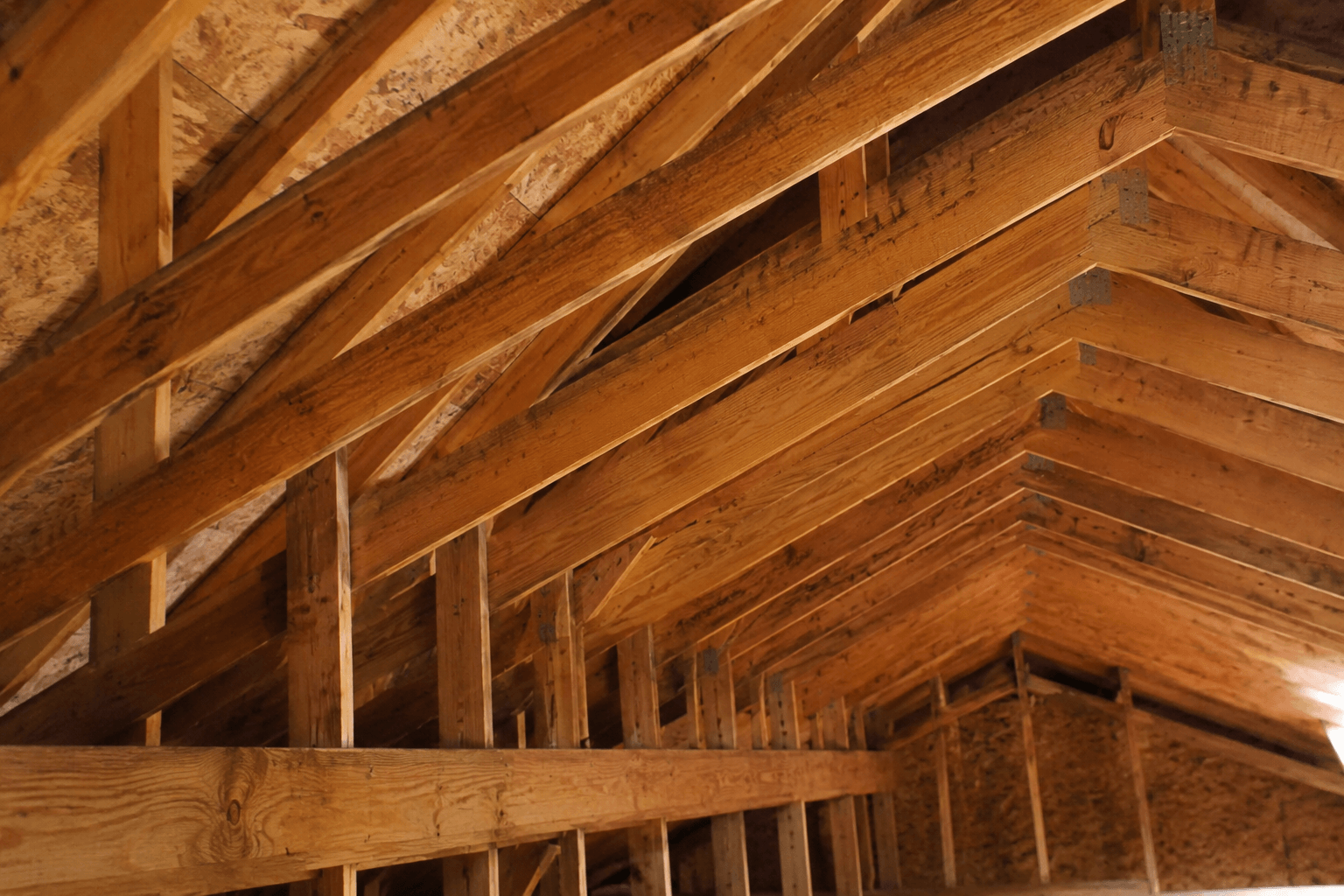
Roof rafters are the sloped structural beams that extend from the ridge of the roof down to the exterior walls of a home. They create the framework that supports the roof decking, underlayment, shingles, tiles, or other roofing materials while transferring the roof’s weight safely to the walls below.
Modern roof framing often uses engineered wood products because they provide excellent strength, dimensional stability, and long-span performance. Products like Weyerhaeuser TJI Joists are designed to support residential roof structures while helping improve structural reliability.
Although roof rafters are hidden inside the attic, they carry the entire roofing system every day. They are designed to support:
- Roof decking
- Roofing underlayment
- Shingles, tile, or metal roofing
- Roof flashing
- Ventilation components
- Solar panels and other approved rooftop equipment
- Wind and storm loads
Most residential roof rafters are built from engineered lumber or dimensional wood. When properly installed and maintained, they can provide reliable structural support for decades. However, prolonged exposure to moisture, excessive heat, poor ventilation, or pest activity can significantly reduce their lifespan.
Why Roof Rafters Arizona Matter
Roof rafters do much more than support roofing materials. They maintain the shape, strength, and stability of the entire roof. If the rafters begin to weaken, other roofing components can also fail, increasing the risk of leaks, structural movement, and expensive repairs.
Arizona homeowners face several environmental conditions that place additional stress on roof rafters.
- Extreme summer temperatures
- Intense ultraviolet exposure
- Monsoon rains
- Strong seasonal winds
- Dust and debris accumulation
- Rapid expansion and contraction of roofing materials
Over time, these conditions can affect the entire roofing structure if the attic is not properly ventilated or maintained.
Healthy roof rafters Arizona help homeowners by:
- Supporting the entire roofing system
- Preventing roof sagging
- Maintaining structural stability
- Protecting the roof against heavy wind loads
- Extending the lifespan of roofing materials
- Supporting safe attic ventilation
Structural connectors are just as important as the rafters themselves because they help secure the roof framing against wind uplift and movement. Simpson Strong-Tie manufactures a wide range of roof framing connectors used in residential construction.
Regular roof inspections allow roofing professionals to identify hidden structural problems before they spread throughout the roofing system.
1. Moisture Damage Can Weaken Roof Rafters
Water is one of the biggest threats to any wooden roof structure. Even a small roof leak can allow moisture to reach the rafters, where it may remain trapped for weeks or even months. As the wood absorbs moisture, it gradually loses strength and becomes more vulnerable to decay.
Moisture damage is not always caused by heavy rainfall. In Arizona, poor attic ventilation can allow humidity to build up inside the attic after daily household activities or during monsoon season. Condensation may form on wooden framing, creating ideal conditions for mold growth and wood deterioration.
Common causes of moisture damage include:
- Roof leaks
- Damaged flashing
- Clogged roof valleys
- Poor attic ventilation
- Condensation
- Broken roof tiles or shingles
Homeowners should never ignore water stains, musty odors, or discoloration inside the attic. Addressing moisture problems early helps protect roof rafters Arizona before structural repairs become necessary.
2. Termites and Wood Pests Can Cause Structural Damage
Although roof rafters are hidden from view, they can become an attractive nesting area for termites, carpenter ants, and other wood-destroying pests. Once these insects enter the attic, they often attack the wooden framing from the inside, making the damage difficult to detect during a simple visual inspection.
Over time, pest activity can weaken the structural integrity of the rafters and reduce their ability to support the roofing system. In severe cases, homeowners may notice sagging roof sections, cracked drywall, or soft wood during an attic inspection.
Warning signs of pest damage include:
- Small holes in wooden rafters
- Hollow-sounding wood
- Wood dust or insect debris
- Visible termite tunnels
- Sagging roof framing
Routine roof inspections and attic evaluations can identify pest activity before it spreads throughout the roof structure.
3. Roof Leaks Can Lead to Rotting Wood
Roof leaks are one of the most common causes of damaged roof rafters Arizona. Even a minor leak can allow water to seep beneath the roofing materials and into the attic, where it slowly saturates the wooden rafters. Because this damage often occurs out of sight, homeowners may not realize there is a problem until the roof begins to sag or interior water stains appear.
Over time, wet wood loses its strength and becomes more susceptible to rot, mold, and fungal growth. If left untreated, the damage can spread to nearby roof decking, insulation, and ceiling materials, resulting in much larger repair costs.
Common signs that roof leaks may be affecting your roof rafters include:
- Water stains on ceilings or walls
- Damp insulation in the attic
- Musty odors
- Soft or discolored wood
- Mold or mildew around the rafters
Roof leaks can damage more than just shingles. Moisture that reaches the roof structure can also affect the rafters and decking over time. Learn how to spot hidden moisture problems in our guide, Roof Leak Detection Arizona.
Scheduling regular roof inspections is one of the best ways to catch leaks early and protect the structural integrity of your roofing system.
4. Excessive Roof Loads Can Stress the Rafters
Roof rafters are engineered to support the weight of your roofing materials and withstand normal weather conditions. However, adding excessive weight to the roof without proper structural planning can place unnecessary stress on the rafters.
Heavy roofing materials, multiple layers of shingles, improperly installed solar panels, rooftop equipment, or accumulated debris can all increase the load carried by the rafters. Over time, this extra weight may cause the roof structure to shift or sag.
Some common sources of excessive roof loads include:
- Multiple layers of roofing materials
- Heavy rooftop equipment
- Improperly installed solar panels
- Fallen tree branches
- Debris that collects after storms
If you plan to install new roofing materials or rooftop equipment, it’s important to have your roof structure evaluated by a professional to ensure the rafters can safely support the additional weight.
5. Poor Attic Ventilation Can Shorten Their Lifespan
Proper attic ventilation plays an important role in protecting roof rafters Arizona. Without consistent airflow, hot air becomes trapped inside the attic, especially during Arizona’s long summer months. Attic temperatures can climb well above outdoor temperatures, placing constant stress on the wooden framing.
Excessive heat causes roofing materials to expand and contract repeatedly, while trapped humidity increases the risk of condensation. Together, these conditions can accelerate the aging of roof rafters and other structural components.
A well-ventilated attic provides several benefits.
- Reduces heat buildup
- Helps control moisture
- Improves energy efficiency
- Extends the lifespan of roofing materials
- Protects wooden roof framing
Proper attic ventilation helps reduce heat buildup and protects the structural framing of your roof. Discover why ventilation matters in our article, Roof Soffit Arizona.
Maintaining proper ventilation throughout the attic helps preserve the strength and durability of the entire roofing system.
6. Improper Roof Modifications Can Compromise Structural Integrity
Home improvement projects sometimes involve cutting, drilling, or altering roof rafters to make room for skylights, attic conversions, new ventilation systems, or other structural changes. When these modifications are completed without proper engineering or professional guidance, they can weaken the roof’s support system.
Structural modifications should always consider the capacity of the framing system. Engineered lumber such as Roseburg RigidLam LVL is manufactured for structural applications where strength and stability are critical.
Even removing a small section of a rafter may affect how the roof distributes weight. Over time, the added stress can lead to uneven rooflines, cracked ceilings, or structural movement.
Before making any structural changes to your roof, always consult a qualified roofing contractor or structural professional. Proper planning helps ensure your roof remains safe, stable, and compliant with local building requirements.
Common Signs Your Roof Rafters Need Inspection
Many structural roofing problems begin inside the attic, making regular inspections especially important. Catching damage early can prevent costly repairs and help extend the life of your roofing system.
Structural issues often develop alongside problems with other roofing components. Understanding how damaged flashing can allow water into the roof structure can help you catch problems earlier. Read our blog, Roof Flashing Arizona.
Watch for these warning signs:
- Sagging rooflines
- Cracks in interior ceilings or walls
- Water stains inside the attic
- Soft or rotting wood
- Mold or mildew growth
- Visible termite or pest damage
- Bowed or warped rafters
- Unusual creaking noises from the roof structure
- Uneven roof surfaces
If you notice any of these issues, schedule a professional roof inspection as soon as possible.
How to Protect Roof Rafters Arizona
Preventive maintenance is the most effective way to keep roof rafters Arizona in good condition. Regular inspections allow small issues to be repaired before they affect the structural framework of the roof.
Homeowners can help protect their roof rafters by:
- Scheduling professional roof inspections every year
- Repairing roof leaks immediately
- Keeping gutters and roof valleys free of debris
- Maintaining proper attic ventilation
- Controlling moisture inside the attic
- Watching for signs of termite activity
- Trimming tree branches that hang over the roof
- Avoiding unapproved structural roof modifications
Routine maintenance helps preserve the strength of your roof and reduces the likelihood of expensive structural repairs.
Frequently Asked Questions
How long do roof rafters last?
When properly installed and maintained, roof rafters can last for several decades. Their lifespan depends on the quality of construction, climate conditions, attic ventilation, and how well the roof is maintained.
Can damaged roof rafters be repaired?
Yes. Minor damage can often be repaired by reinforcing or replacing individual rafters. Extensive structural damage may require more comprehensive repairs, depending on the condition of the roof framing.
What causes roof rafters to rot?
Roof leaks, poor attic ventilation, trapped moisture, and long-term water exposure are the most common causes of wood rot in roof rafters.
Can I inspect my roof rafters myself?
Homeowners can perform a basic visual inspection inside the attic, but hidden structural damage is often difficult to identify without professional experience. A roofing contractor can perform a more thorough evaluation and recommend any necessary repairs.
Conclusion
Roof rafters Arizona provide the structural support that keeps your entire roofing system safe and secure. Problems such as moisture damage, roof leaks, pest infestations, poor ventilation, excessive roof loads, and improper structural modifications can all weaken the rafters over time. Identifying these issues early through regular inspections and routine maintenance can help prevent costly repairs and extend the life of your roof.
If you suspect your roof structure has been damaged or you have noticed signs of sagging, leaks, or deteriorating wood, contact Tier 1 Roofing. Our experienced team provides professional roof inspections, repairs, and roofing solutions throughout Arizona to help keep your home protected for years to come.